
When buyers ask for something “custom,” they often feel lost between options, terms, and promises. I see this confusion every week. Many suppliers talk a lot, but few really listen. That gap is where deals slow down.
Personalized customization service means I adjust products and services based on real buyer needs, not just templates. It combines understanding how you sell, who you sell to, and what problems you face, then turning that into practical product, packaging, and supply solutions.
I remember my first European distributor visit. He did not ask for lower prices. He asked for fewer problems. That moment shaped how I think about personalization and customization. Let me explain it clearly, without buzzwords.
What are examples of personalized service?
Many buyers hear this term often, but examples make it real. I see personalized service1 as small actions that reduce friction in daily business, not big marketing words.
Examples of personalized service include tailored product recommendations, market-specific packaging, flexible MOQ plans, custom manuals, and direct communication based on buyer habits. These services focus on how the buyer operates, sells, and communicates, instead of offering the same solution to everyone.
When I work with European buyers, personalization usually starts before any order. I ask how they sell. Online or retail. DIY users or contractors. Fast-moving SKUs or long-cycle tools. The answers shape everything.
Personalized communication
Some buyers prefer email. Others reply faster on WhatsApp. I adapt. That alone saves days. I once had a German buyer who only trusted written confirmations. I stopped sending voice messages. The cooperation became smooth.
Market-fit product advice
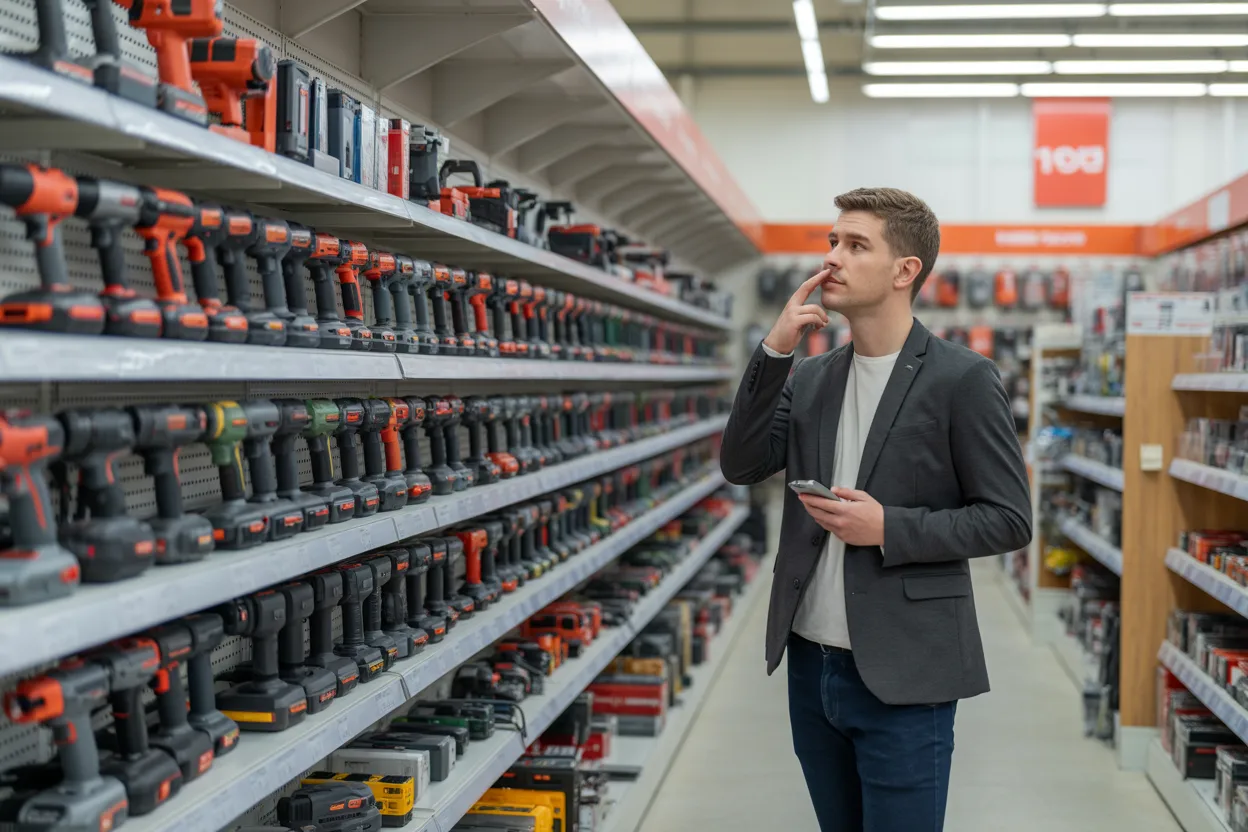
Instead of pushing our full catalog, I suggest 3 to 5 models that match local demand. For Italy, compact tools sell faster. For Eastern Europe, battery endurance matters more. This guidance comes from experience, not brochures.
Service-level personalization
Some buyers want fast samples. Others care more about test reports. I adjust priority. This avoids wasted effort on both sides.
| Personalized action | Buyer benefit |
|---|---|
| Market-based SKU advice | Faster sell-through |
| Local language manuals | Fewer returns |
| Custom MOQ plans | Lower test risk |
| Preferred communication | Faster decisions |
Over time, these details build trust. Buyers stop asking “can you do this?” and start saying “you know what I need.” That is real personalized service. You can see similar buyer stories in OEM cooperation cases.
What is the difference between customization and personalization?
This question comes up in almost every first call. Many people mix these two ideas, but they solve different problems.
Customization changes the product itself, such as color, logo, packaging, or specifications. Personalization changes how the service is delivered, including advice, process, communication, and support. Customization is about the product. Personalization is about the relationship.
I like to explain it with a simple example. A buyer asks for a red housing and private label box. That is customization. The same buyer asks for advice on which voltage platform fits his retail shelves. That is personalization.
Customization focuses on physical changes
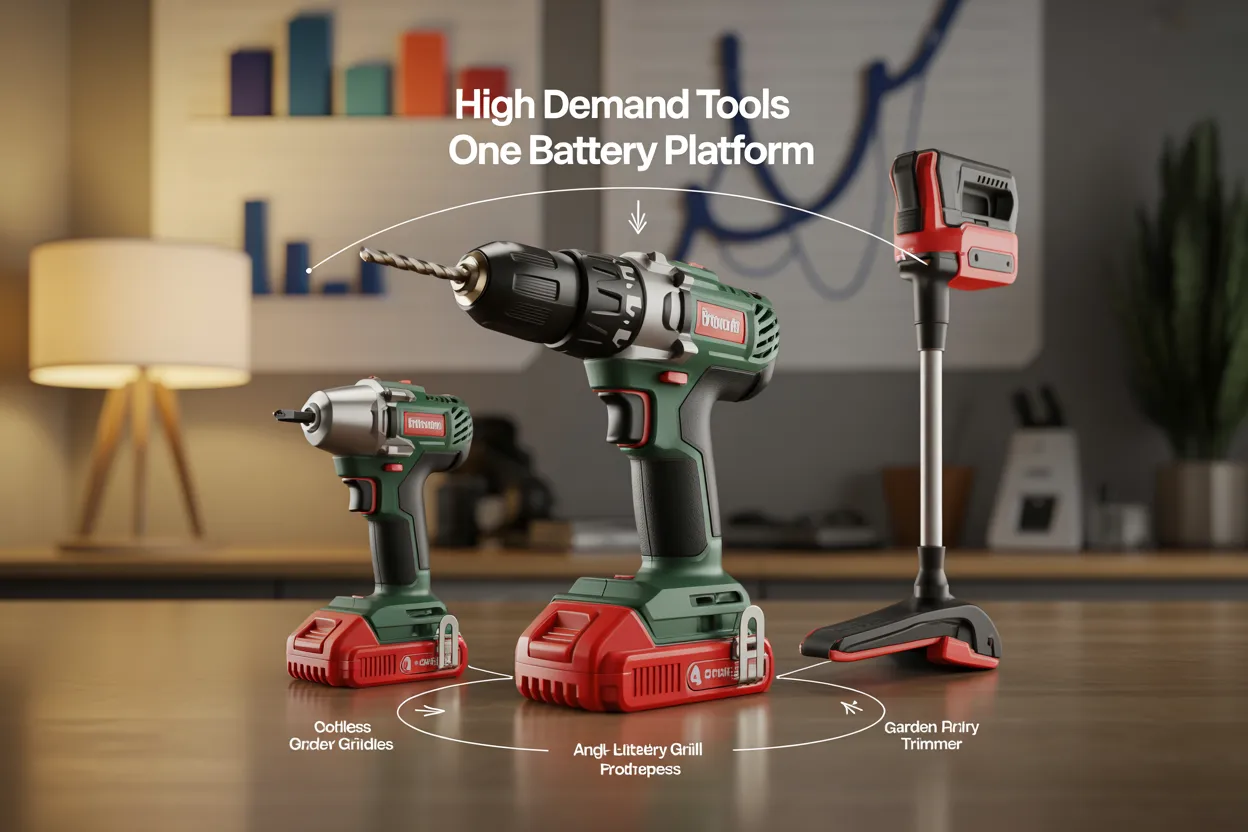
This includes logo printing, color matching, packaging layout, battery platform choice, and accessory combinations. These are visible and easy to list in a quotation.
Personalization focuses on decision support
This includes how I guide pricing structure, how I plan lead time, and how I suggest launch quantity. These are invisible but often more valuable.
| Aspect | Customization | Personalization |
|---|---|---|
| Scope | Product features | Service approach |
| Visibility | High | Low |
| Cost impact | Direct | Indirect |
| Trust building | Medium | High |
In my experience, many failed OEM projects had enough customization but zero personalization. Nobody helped the buyer think. When both exist together, projects move faster. I often share this idea during early sourcing talks like OEM vs ODM discussions.
What is a personalized service?
This term sounds abstract, but in daily work, it is very practical. I define it by outcomes, not promises.
A personalized service is a supplier approach where decisions, support, and workflows are adjusted to match the buyer’s sales model, market rules, and internal process. It reduces buyer workload by anticipating needs instead of reacting to problems.
When I act as a supplier, my goal is to remove small obstacles before they become emails. For example, some buyers worry about CE files every shipment. I prepare them before they ask.
Understanding buyer pressure
European buyers often face seasonal pressure. Missing a spring shipment hurts cash flow. Personalized service means I remind them about order timing, even when they are busy.
Adapting internal process
Some buyers need photos early for listings. Others need cartons first for warehouse planning. I change internal steps to match that rhythm.
Reducing buyer decisions
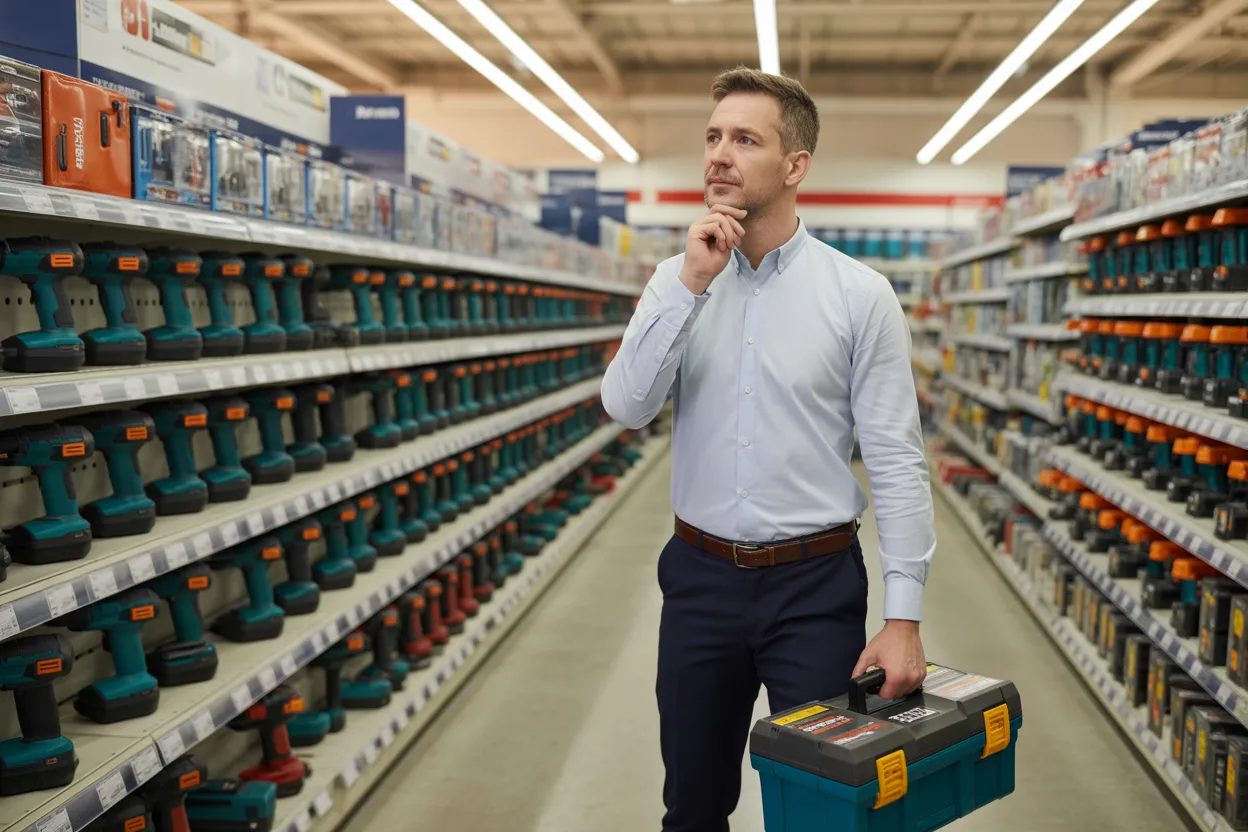
Too many options slow buyers down. I filter choices based on past orders and market feedback.
| Personalized service area | Practical result |
|---|---|
| Order reminders | Fewer delays |
| Pre-prepared documents | Faster customs |
| Tailored product sets | Faster listings |
| Aligned timelines | Lower stress |
Over time, buyers feel supported, not sold to. That feeling is hard to measure but easy to notice. It often leads to repeat orders without long negotiations, similar to cases shared in long-term supplier partnerships.
What is a customized service?
Customization is more concrete. It is where ideas turn into physical differences that customers can see and touch.
A customized service is the process of modifying products, packaging, or specifications to meet defined buyer requirements. It includes private labeling, color selection, packaging design, accessory choices, and voltage or battery platform adjustments based on agreed standards.
At YOUWE, most first orders start with basic customization. Logo on housing. Brand box. Manual with buyer name. But depth varies.
Basic customization
This includes logo printing, standard color choices, and existing packaging layouts. It suits test orders and market trials.
Advanced customization
This involves new molds, special colors, unique battery platforms, or bundled kits. It needs more time and clear volume planning.
Risk control in customization
Customization always carries risk. I often suggest phased steps. Start simple. Validate sales. Then invest deeper.
| Customization level | MOQ impact | Lead time |
|---|---|---|
| Logo only | Low | Short |
| Packaging redesign | Medium | Medium |
| New housing color | High | Longer |
| New platform | Very high | Long |
I have seen buyers rush into heavy customization too early. That usually locks cash. A customized service2 works best when matched with honest advice. I often explain this during early planning calls like private label setup.
Conclusion
Personalized customization service is not about saying yes to everything. It is about understanding buyers, reducing their stress, and building solutions step by step. When service fits people, business grows naturally.