What issues should be considered when purchasing a cordless drill?
Many buyers think choosing a cordless drill1 is simple. They compare price, appearance, and maybe voltage. Then they place an order. But after selling in the market, problems start to appear—battery complaints2, weak torque, short lifespan, or certification issues.
Choosing the right cordless drill is not about picking the cheapest or the most powerful model. It is about balancing performance, durability, battery system, and target market positioning.
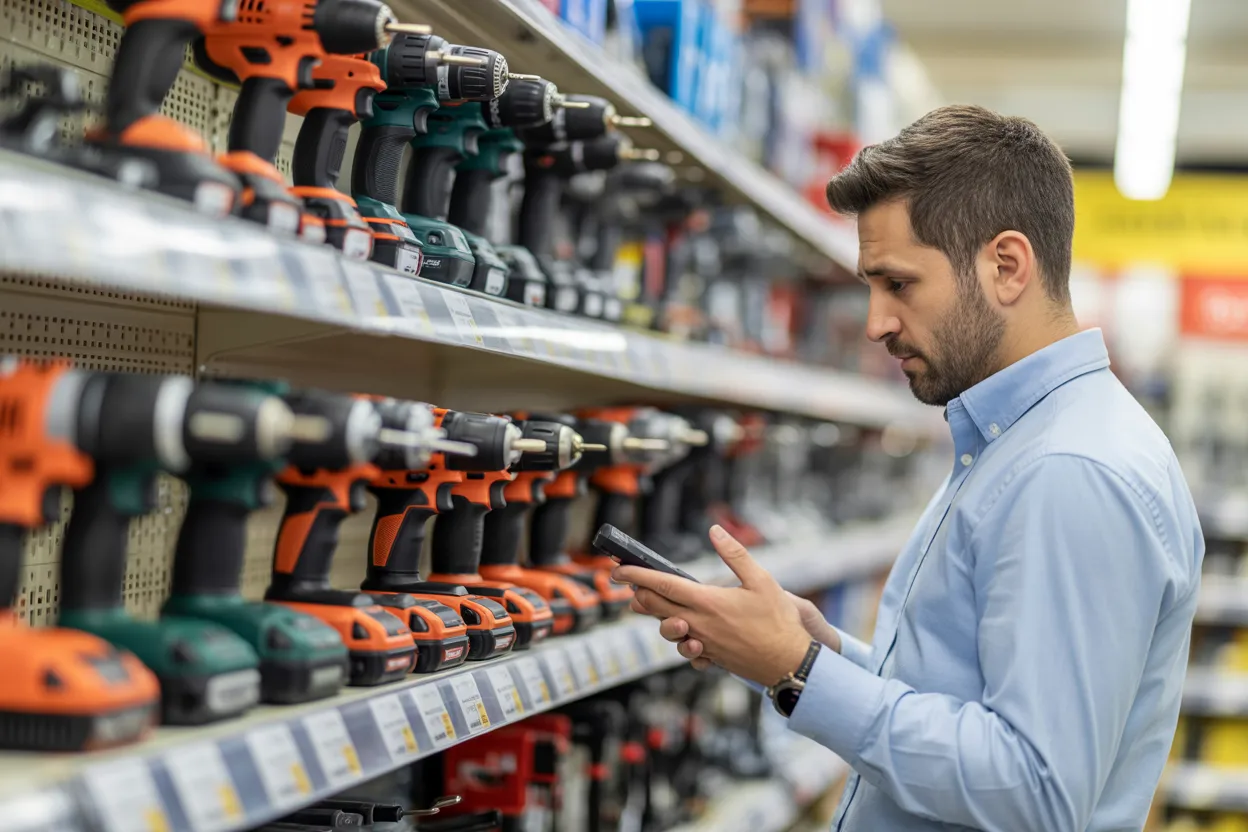
I work with many importers and distributors. Some focus on DIY users. Some target professional contractors. Their requirements are very different. The mistake many new buyers make is choosing one product and expecting it to fit all markets.
What should I look for when buying a cordless drill?
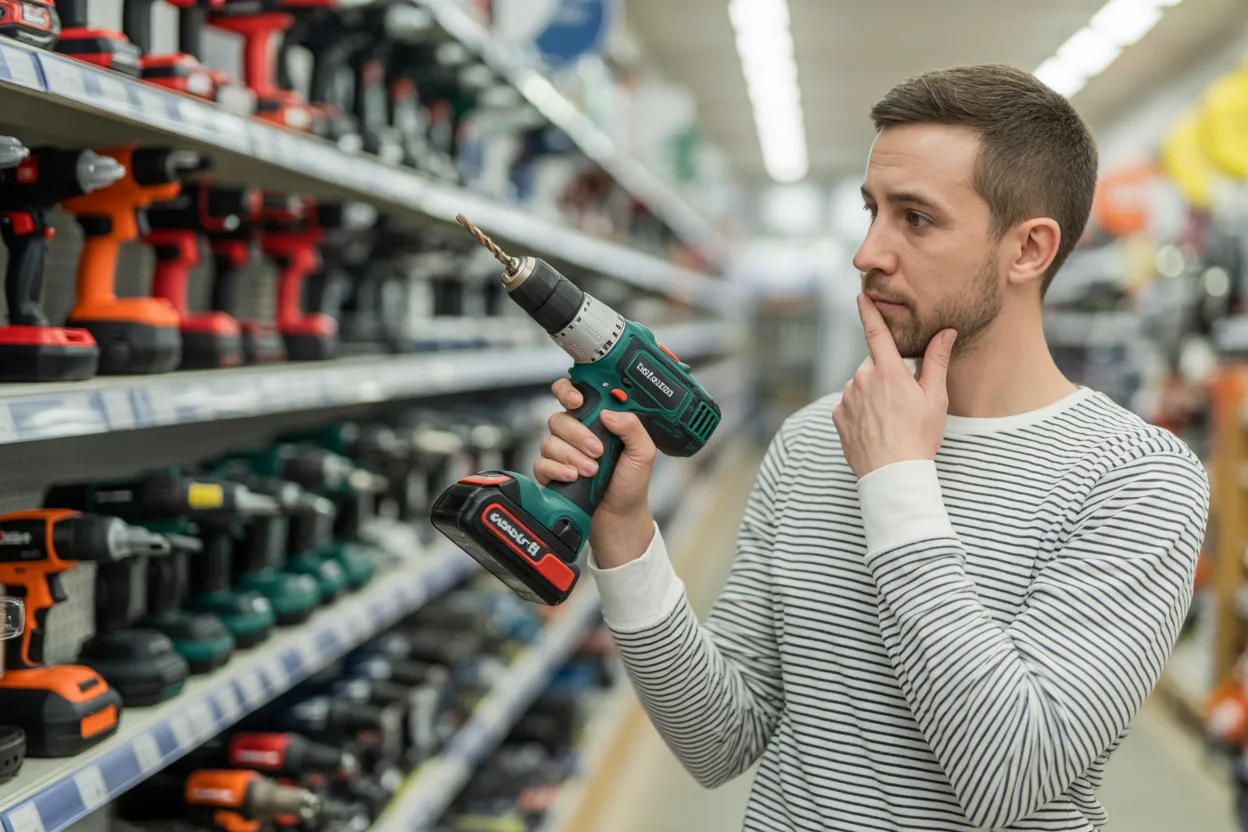
Many new buyers focus only on voltage and price. This is not enough. A good cordless drill is a combination of multiple components working together.
You should evaluate motor type, battery quality, torque range, ergonomics, and certification before making a decision.
Key factors to check
| Factor | Why it matters |
|---|---|
| Brushless motor | Longer lifespan, higher efficiency |
| Battery cells | Stable performance and safety |
| Torque settings | Better control for different tasks |
| Chuck quality | Strong grip and precision |
| Gearbox | Smooth power transmission |
Brushless motors are becoming standard in mid to high-end products. They reduce heat and improve durability.
Battery system matters more than you think
Many problems come from batteries, not the drill itself.
| Battery Feature | Impact |
|---|---|
| Capacity (Ah) | Longer working time |
| Cell quality | Safety and lifespan |
| BMS protection | Prevents overheating |
I always tell buyers: a good battery system builds long-term trust in your brand.
Certification and market requirements
If you sell in Europe or other regulated markets, certification is not optional.
| Certification | Purpose |
|---|---|
| CE | Safety compliance |
| EMC | Electrical compatibility |
| RoHS | Environmental standard |
| UN38.3 | Battery transport safety |
Ignoring certification can stop your business before it starts.
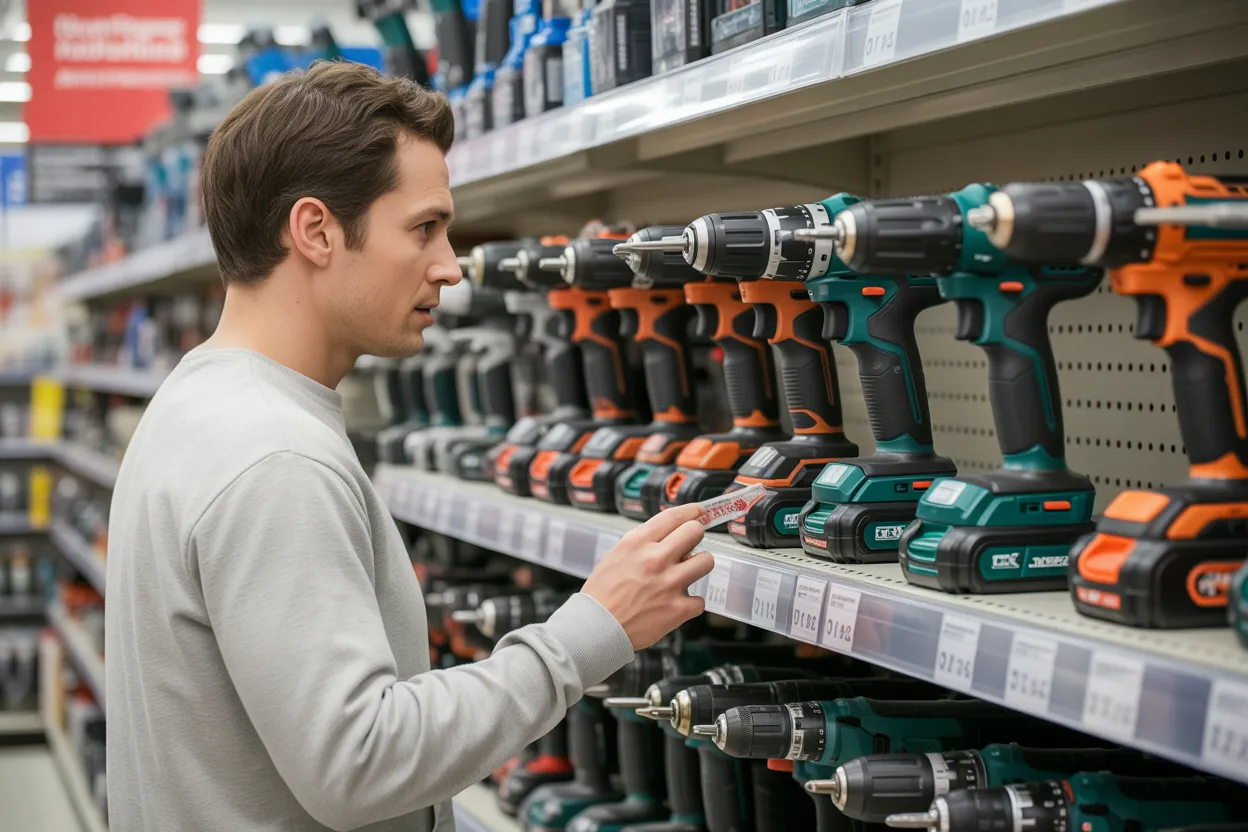
What is the most reliable cordless drill?
Many buyers ask for “the most reliable drill.” But reliability does not come from a brand name alone.
A reliable cordless drill depends on internal components, manufacturing consistency, and quality control processes.
What defines reliability?
| Component | Reliability impact |
|---|---|
| Motor | Determines lifespan |
| Gearbox | Handles mechanical stress |
| Battery | Affects performance stability |
| Housing | Protects internal structure |
Poor gearbox materials are one of the most common hidden issues in low-cost drills.
Manufacturing consistency
Even a good design can fail without proper production control.
| Process | Importance |
|---|---|
| Incoming material inspection | Prevent defects |
| Assembly quality | Ensure stability |
| Final testing | Guarantee performance |
Reliable products come from stable systems, not just specifications.
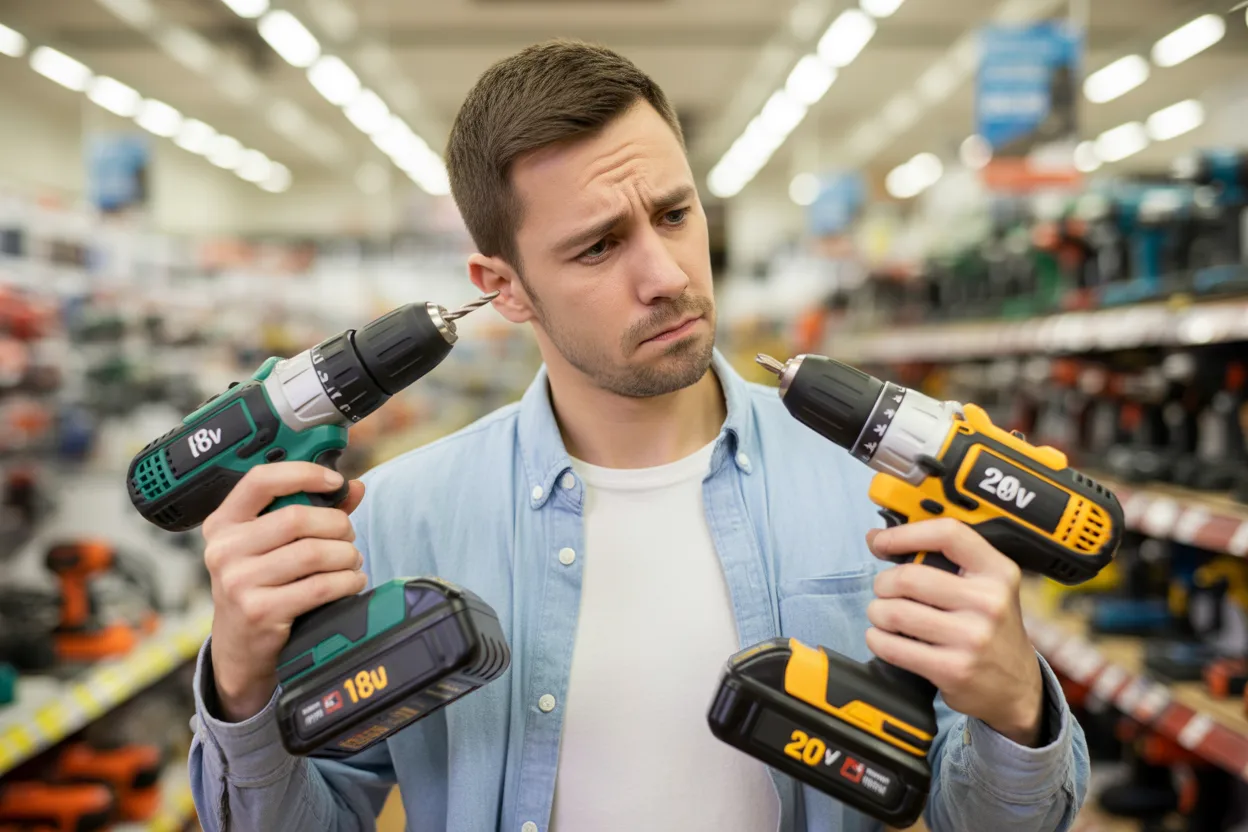
Is there a big difference between 18V and 20V drills?
This is one of the most misunderstood questions in the market.
There is no significant real-world performance difference between 18V and 20V cordless drills. The difference is mainly in labeling and marketing.
Why 18V and 20V are similar
Both are based on the same lithium battery structure.
| Label | Actual voltage |
|---|---|
| 18V | Nominal voltage |
| 20V | Max voltage after full charge |
This means performance depends more on current output and motor efficiency than voltage label.
What buyers should focus on instead
| Factor | More important than voltage |
|---|---|
| Battery discharge rate | Power output |
| Motor quality | Efficiency |
| Electronic control | Stability |
I often explain this to buyers: do not let voltage numbers mislead your decision.
How powerful of a cordless drill do I need?
Power requirements depend on your target users. There is no single “correct” answer.
The right power level depends on whether your customers are DIY users, semi-professionals, or contractors.

Typical user segments
| User Type | Recommended torque |
|---|---|
| DIY users | 20–40 Nm |
| Home improvement | 40–60 Nm |
| Professional | 60–120 Nm |
Choosing too much power can increase cost unnecessarily. Too little power leads to poor user experience.
Application scenarios
| Application | Power requirement |
|---|---|
| Furniture assembly | Low |
| Wood drilling | Medium |
| Metal drilling | Medium to high |
| Concrete (light) | High (or hammer drill) |
Matching the tool to real usage is the key.
Balance between power and usability
Higher power often means heavier tools.
| Trade-off | Impact |
|---|---|
| High torque | More weight |
| Large battery | Less portability |
| Strong motor | Higher cost |
A well-balanced drill is usually more successful in the market than an overly powerful one.
Conclusion
Many buyers enter the cordless drill market with high expectations. Some succeed quickly. Others struggle with returns, complaints, and slow sales.
From my experience, the difference is clear.
Successful buyers focus on product positioning, battery systems, and quality stability. They start with a clear target market. They do not try to satisfy everyone with one model.
I always recommend starting with one or two carefully selected drills. Test them in your market. Collect feedback. Then expand your product line step by step.
A cordless drill is not just a tool. It is often the first product customers use to judge your entire brand.
If the first experience is good, your business grows naturally.