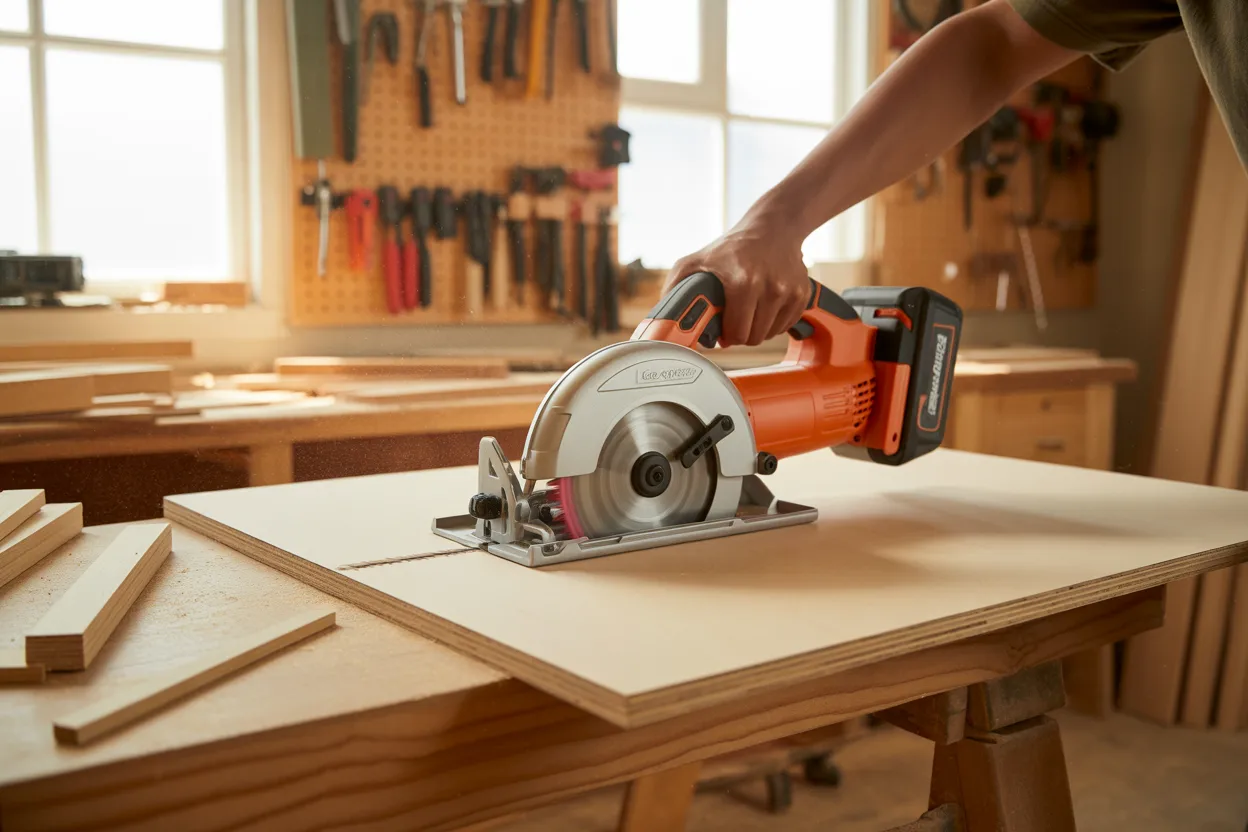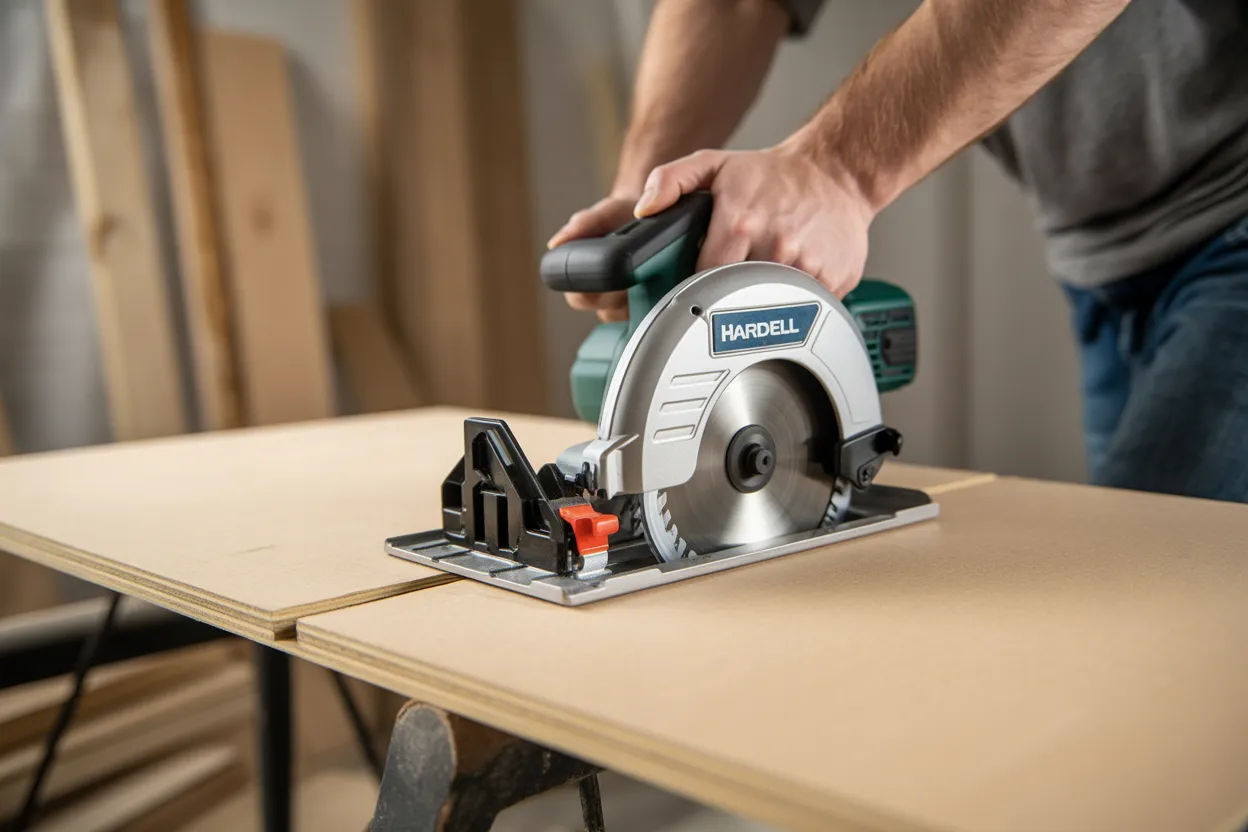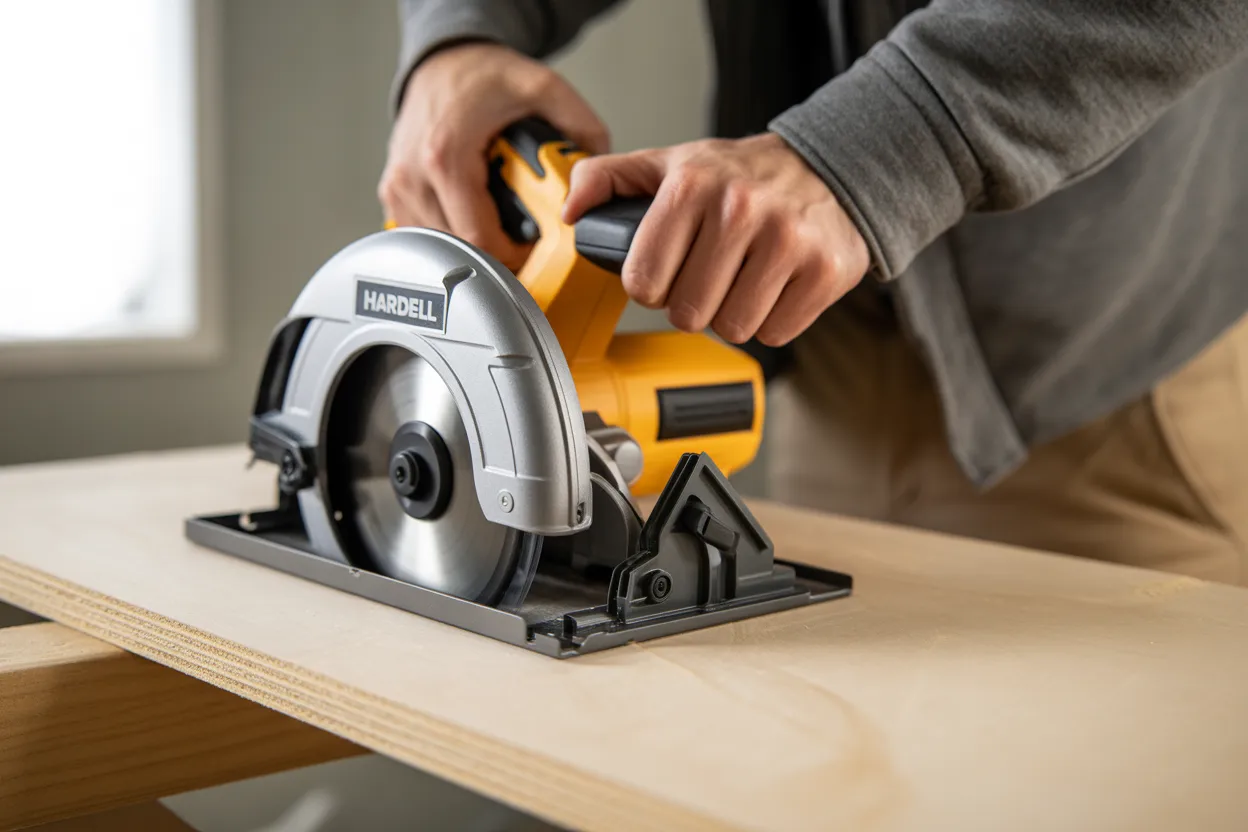
How big is the market for cordless power tools?
The cordless power tools market looks simple from outside. Many buyers feel excited. Many buyers also feel lost. I see confusion every week. I see wrong first steps. I see real money risks for new brands.
The market is large and still growing. Cordless tools already lead many segments, and demand keeps rising in Europe and beyond because users want safety, mobility, and lower labor cost.
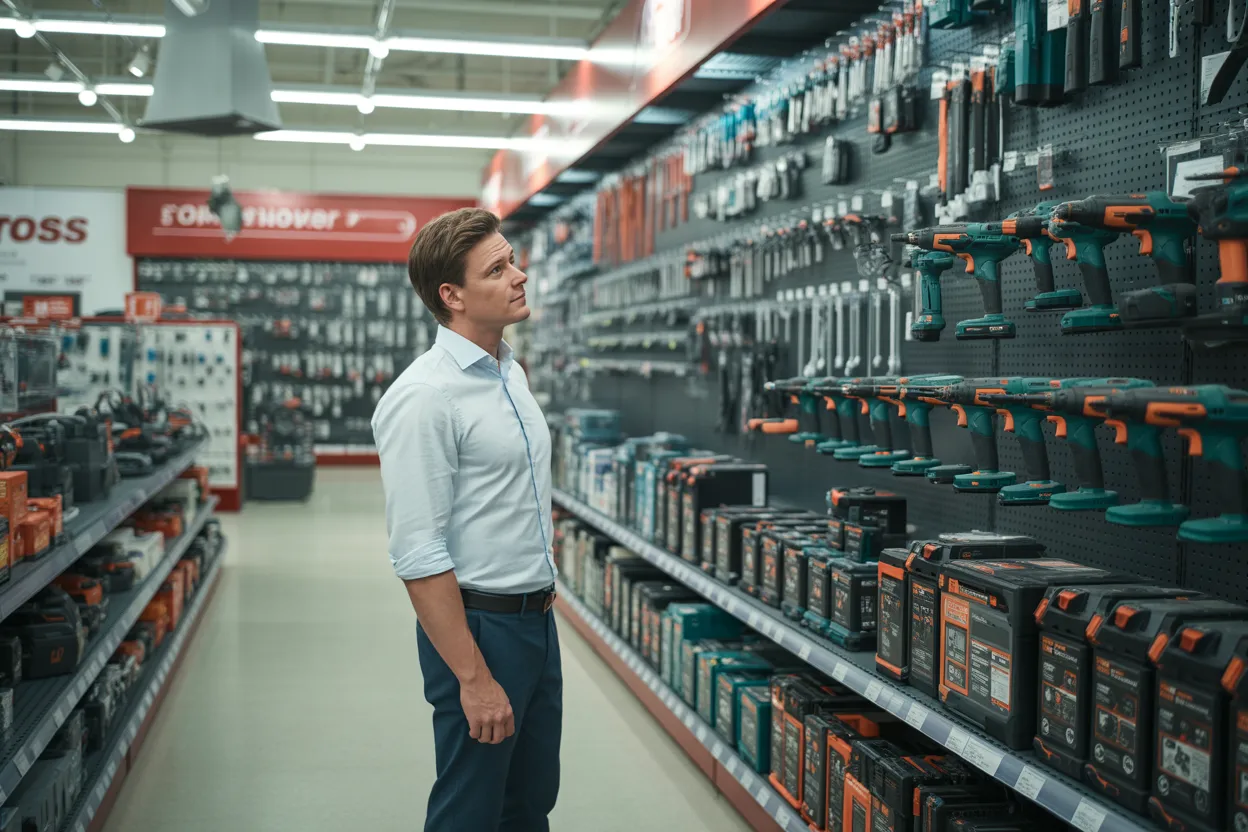
I want to slow this topic down. I want to explain the size, the players, and the direction. I also want to share what I see from the factory side, not from reports.
How big is the power tools market?
Many buyers ask this after they see competitors launch cordless tools1. They worry about timing. They worry about scale. They worry about entering too late.
The global power tools market is already worth tens of billions of USD, and cordless tools take a fast growing share, especially in Europe, where DIY and professional demand stay strong.

Global size and structure
I look at the market from orders, inquiries, and repeat buyers. Cordless tools now appear in almost every request. I see fewer corded only projects each year. Europe shows this trend clearly.
| Segment | Market role | Growth speed |
|---|---|---|
| Corded tools | Mature | Low |
| Cordless tools | Core growth | High |
| Gas tools | Declining | Negative |
Cordless tools cover garden, construction, and home use. Battery platforms help brands expand fast without new chargers or packs.
Europe demand signals
I work with buyers from Germany, Italy, and Spain. Many are not tool brands before. They sell hardware, garden items, or building materials. They see cordless tools as value upgrade.
| Country | Buyer focus | Common concern |
|---|---|---|
| Germany | Compliance | Certification risk |
| Italy | Design and price | MOQ |
| Spain | Speed | Lead time |
These buyers ask about CE, GS, EMC, and battery rules first. They ask about cost second.
What reports do not show
I see failed projects. I see buyers order too many SKUs. I see buyers ignore battery platform planning. Market size alone does not protect mistakes. Entry strategy matters more than total volume.
Who is the leader in cordless tools?
Many buyers believe only big brands can win. This belief blocks action. This belief also hides real chances for private label brands2.
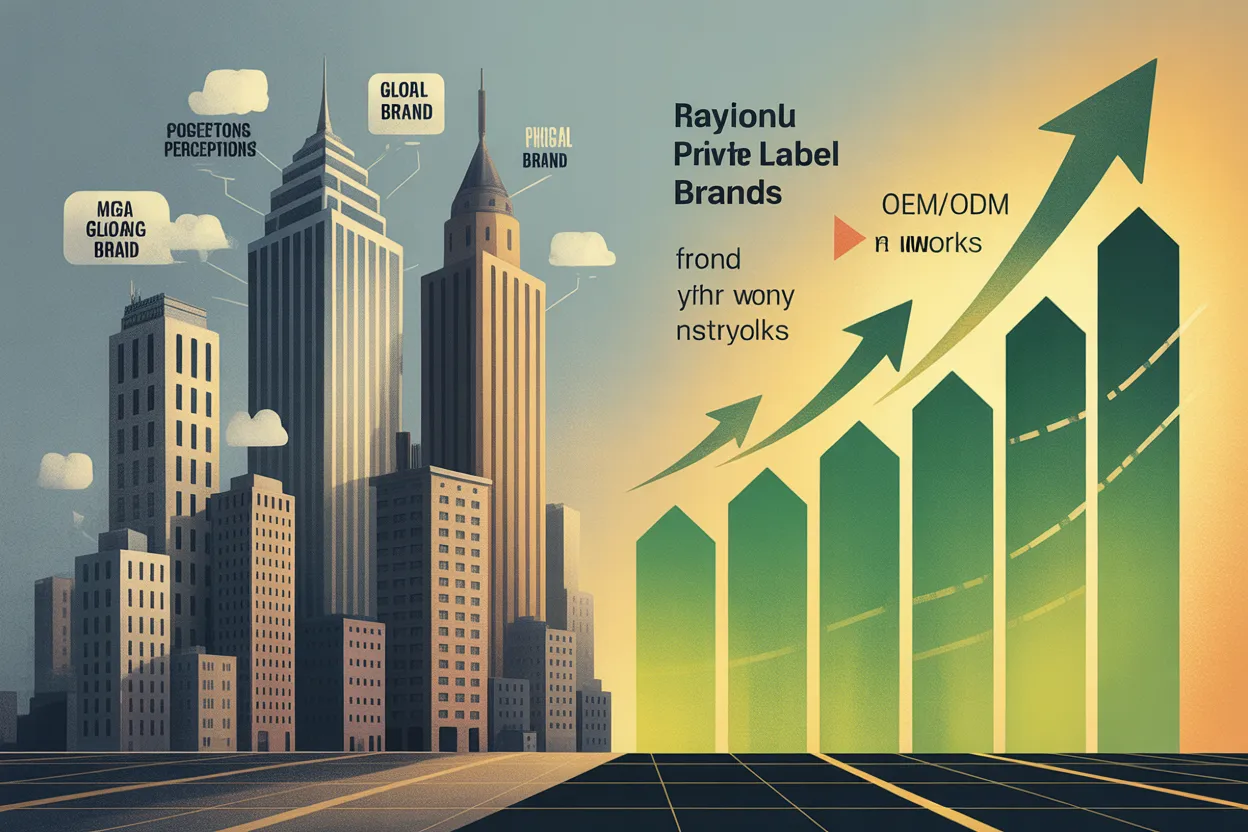
Global brands lead volume, but many regional and private label brands grow fast by using stable OEM and ODM systems instead of building factories.
What leadership really means
Leadership is not only revenue. Leadership also means battery ecosystem control, supply stability, and certification speed.
| Factor | Big brands | Private label brands |
|---|---|---|
| Battery platform | Closed | Flexible |
| MOQ | High | Medium |
| Speed to market | Slow | Fast |
I help buyers launch with shared battery platforms3. This lowers risk and cost. Many buyers do not need to compete with global giants. They need to serve local users better.
OEM and ODM role
I see OEM and ODM4 as quiet leaders. Many end users never see the factory name. They see the brand story.
| Service | Buyer value |
|---|---|
| OEM | Fast launch |
| ODM | Product control |
| Certification support | Risk reduction |
I often tell buyers that leadership starts with control, not fame.
My factory view
At YOUWE Garden Tools, I see repeat orders as trust signals. Buyers return when battery systems work well and tools pass long term testing. This is how real leadership grows.
What is the future of power tools?
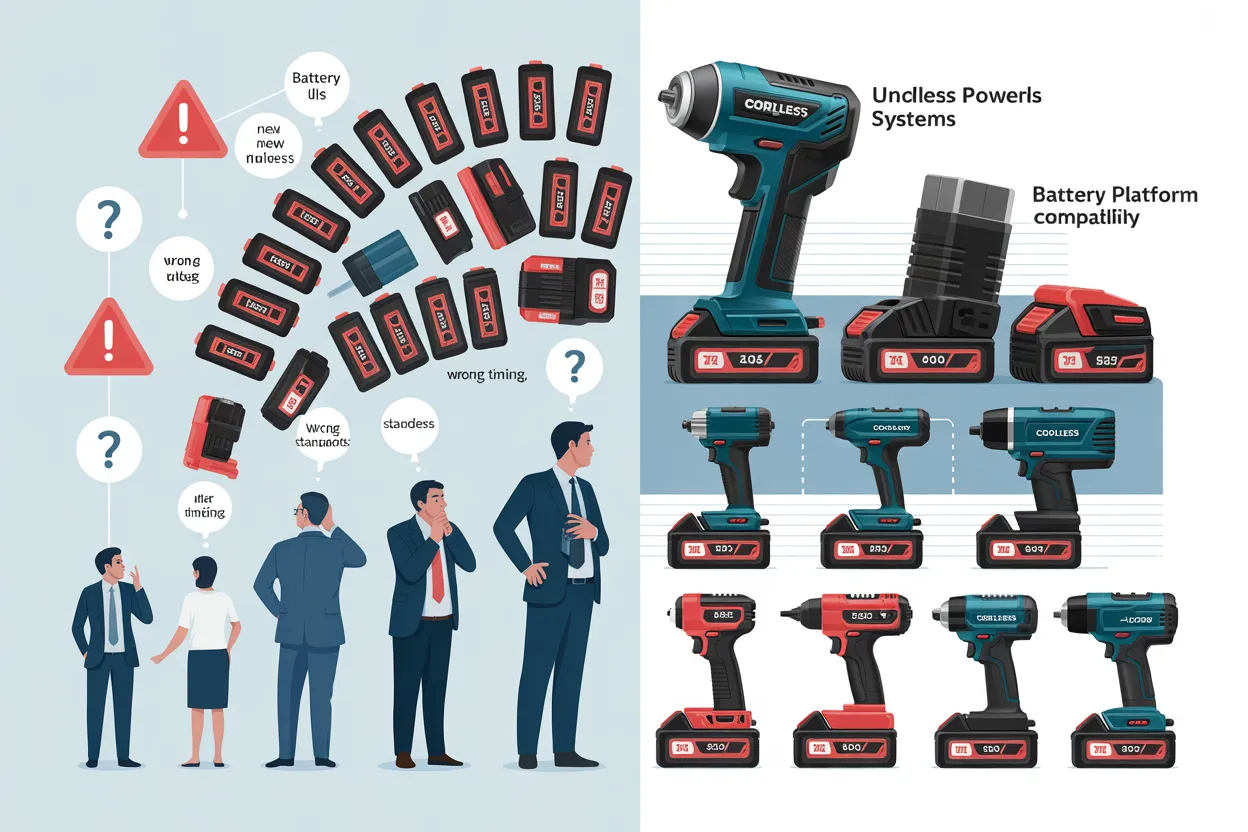
Many buyers fear fast change. They worry about battery rules. They worry about new standards. They worry about wrong timing.
The future belongs to cordless systems with clear battery platforms, strong compliance planning, and focused product lines instead of wide catalogs.
Battery rules shape decisions
Europe battery rules affect packaging, labeling, and recycling. I discuss this early with buyers.
| Area | Impact |
|---|---|
| Labeling | Mandatory updates |
| Recycling | Cost planning |
| Transport | Documentation |
Buyers who plan early avoid relaunch costs.
Technology direction
Brushless motors and multi voltage platforms lead demand. I see strong interest in 21V and 40V systems.
| Feature | Buyer reason |
|---|---|
| Brushless motor | Longer life |
| Shared battery | Lower SKU count |
| Ergonomic design | User comfort |
Technology supports business goals, not the opposite.
Risk control beats speed
Some buyers rush. Some buyers test slowly. I prefer controlled testing.
| Step | Purpose |
|---|---|
| Small MOQ | Market test |
| Pilot feedback | Fix issues |
| Scale order | Reduce cost |
The future rewards patience with structure.
Conclusion
I built YOUWE Garden Tools by watching buyers succeed and fail. Market size alone never protects a project. Structure does. Battery planning matters early. Certification planning matters early. OEM and ODM partners matter more than factories. I believe cordless power tools still offer room for new brands in Europe. I also believe the first step should feel calm, not rushed. When buyers ask better questions, they make better decisions. When buyers work with partners who understand risk, the market feels less scary. That is when real growth starts.
-
Explore the advantages of cordless tools, including safety and mobility, which are driving their popularity. ↩
-
Learn about the rise of private label brands and their strategies to capture market share. ↩
-
Learn how battery platforms facilitate brand expansion and influence consumer choices in cordless tools. ↩
-
Discover how OEM and ODM partnerships can lower risks and costs for new brands in the power tools market. ↩