How should you properly start a cordless power tool business in 2026?
Many business owners want to enter the cordless tool market1. Many feel unsure. They see big brands everywhere. They also hear about battery rules, certification, and supply risk. Many people stop before they even start.
A proper start in 2026 means choosing the right battery platform, selecting a focused product line, working with an experienced OEM manufacturer, and testing the market step by step instead of launching too many tools at once.
I started working in cordless tools many years ago. I run YOUWE Garden Tools in Jinhua. I see many new buyers every year. Many buyers come from hardware, garden products, or building supply. They already understand business. They only need a clear path into cordless tools.
Are battery-powered tools the future?
Many buyers ask this before entering the market. They worry about technology change. They also worry about whether cordless tools will replace traditional tools.
Battery powered tools are clearly the future because they offer mobility, lower noise, better safety, and strong demand from both professionals and DIY users across Europe.
Why the industry is shifting to cordless
I see this change directly in factory orders. Ten years ago many buyers still asked for corded tools. Today most new projects focus on cordless tools.
Users prefer cordless tools because they are easier to carry and safer to use. Garden workers in Italy and Spain often work in open areas without stable power. Cordless tools solve this problem.
| Factor | Corded Tools | Cordless Tools |
|---|---|---|
| Mobility | Limited | High |
| Noise | Medium | Lower |
| Setup | Need cable | Ready to use |
| Market demand | Stable | Growing |
Battery platform strategy
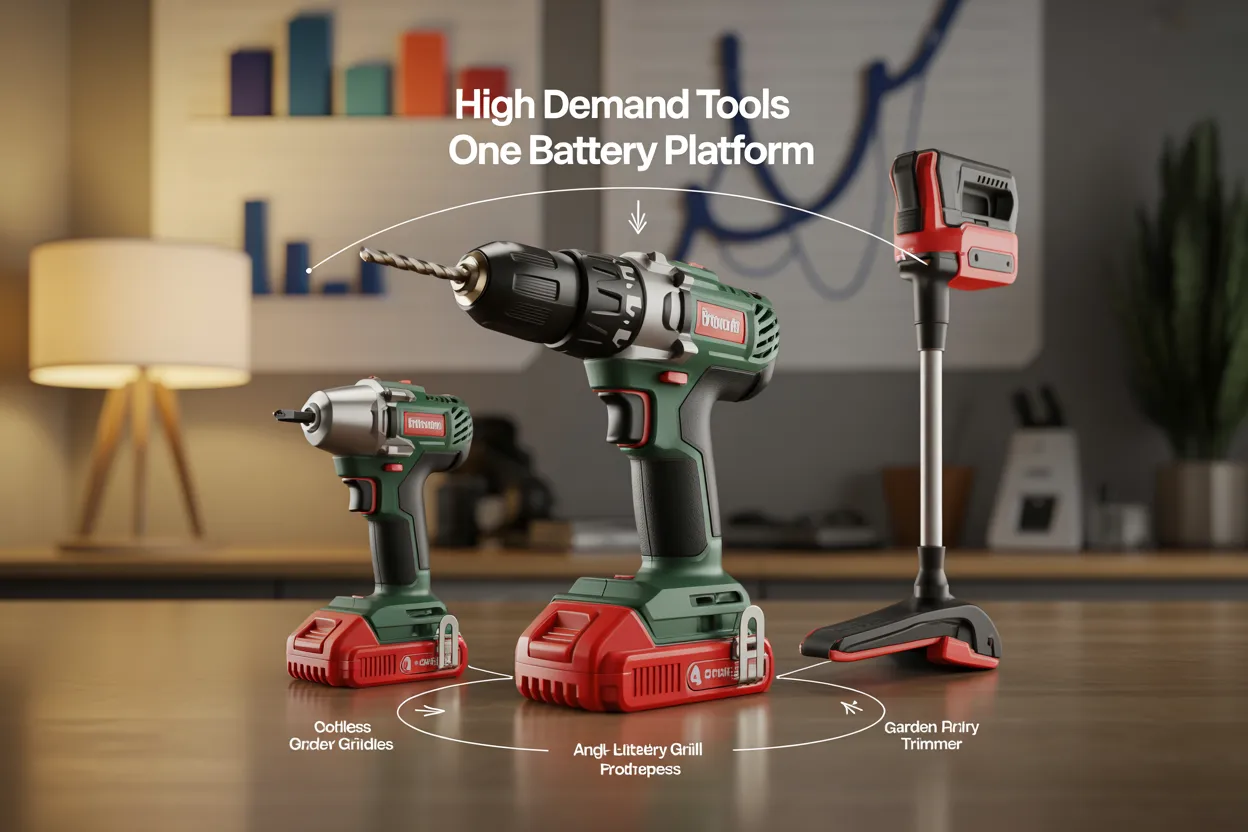
I always tell buyers to think about battery platform2s first. A battery platform means one battery works across many tools.
For example, a 21V battery can power a drill, chainsaw, blower, and grass trimmer.
| Battery Platform | Typical Tool Range | Market Advantage |
|---|---|---|
| 12V | Light DIY tools | Entry level |
| 21V | Garden and power tools | Most popular |
| 40V | Heavy garden tools | Professional |
This strategy lowers development cost. It also helps customers build brand loyalty.
European regulation impact
Battery products must follow strict rules in Europe. Buyers in Germany often ask about this first.
| Compliance Area | Requirement |
|---|---|
| CE Certification | Safety approval |
| EMC | Electrical compatibility |
| Battery transport | UN38.3 rules |
| Recycling | EU battery regulation |
I usually help new clients prepare certification documents early. This step prevents customs problems later.
Which power tool brand is best?
Many new buyers ask me this question. They see famous brands in stores. They wonder if small brands can compete.
The best brand depends on the market position. Global brands lead technology, but private label brands grow fast by focusing on specific markets and working with strong OEM manufacturers.
Global leaders and their strategy
Large companies invest heavily in research and marketing. They build large battery ecosystems.
| Brand Type | Strength |
|---|---|
| Global brands | Technology leadership |
| Regional brands | Market flexibility |
| Private label brands | Fast product launch |
Large brands also have higher prices. Many regional distributors prefer their own brand products.
Private label opportunity
I work with many companies that create new tool brands. Many come from hardware distribution companies in Germany or garden supply companies in Italy.
These companies already have customers. They only need products that match their channel.
| Buyer Type | Entry Strategy |
|---|---|
| Hardware distributor | Private label tools |
| Garden product company | Cordless garden line |
| Online brand | Small SKU launch |
OEM and ODM role
OEM factories support brand development. We provide design, testing, and production.
| Service | Benefit |
|---|---|
| OEM production | Fast brand launch |
| ODM development | Unique product design |
| Certification support | Smooth EU import |
Many successful brands started this way.
What are the most durable cordless tools?
Durability matters a lot for buyers. Poor durability destroys brand reputation quickly. I see many importers worry about this before placing orders.
The most durable cordless tools use brushless motors, high quality lithium batteries, strong gearbox materials, and strict factory testing during production.
Key durability factors
I always focus on four main areas during product development.
| Component | Impact on durability |
|---|---|
| Motor | Brushless motors last longer |
| Battery cells | Stable power supply |
| Gearbox | Strong torque support |
| Housing | Shock resistance |
Brushless motors reduce heat and friction. This improves tool life.
Testing inside the factory
At YOUWE Garden Tools we run several testing stages.
| Test Type | Purpose |
|---|---|
| Performance test | Verify power output |
| Endurance test | Simulate long use |
| Drop test | Check housing strength |
| Battery cycle test | Measure battery life |
These tests help prevent failure in the market.
Importer concerns
European importers usually ask about spare parts and warranty.
| Concern | Reason |
|---|---|
| Spare parts availability | After sales service |
| Battery replacement | Long term use |
| Warranty policy | Brand reputation |
Durability is not only about hardware. It also involves service planning.
What are the pros and cons of cordless power tools?
Many companies see opportunity in cordless tools. They also worry about risks.
Cordless tools offer mobility and efficiency but require careful battery management, certification compliance, and supply chain planning.
Major advantages
Cordless tools provide many benefits.
| Advantage | Explanation |
|---|---|
| Mobility | No power cable needed |
| Safety | Reduced electrical risk |
| Efficiency | Faster setup time |
| Market demand | Growing global trend |
These advantages drive strong demand in Europe.
Key challenges
Cordless tools also bring some challenges.
| Challenge | Impact |
|---|---|
| Battery certification | Import complexity |
| Battery cost | Product pricing |
| Technology learning | New product knowledge |
Many new buyers worry about battery systems.
How experienced manufacturers reduce risk
An experienced manufacturer helps solve these problems.
| Support Area | Value |
|---|---|
| Battery platform planning | Lower development cost |
| Certification guidance | Faster EU market entry |
| Stable supply chain | Reliable delivery |
Many new clients feel calmer after understanding these steps.
Conclusion
I meet many buyers who want to enter the cordless power tool business. Many feel excited but also worried. I understand this feeling. I saw many companies succeed slowly and carefully.
I believe the safest way to start is simple. Choose a small product line first. Build it around one battery platform. Test the market. Learn from real customers. Expand only after the first products prove stable.
Many successful brands in Europe started exactly this way. They did not launch twenty tools at once. They started with two or three. They focused on quality, certification, and service.
I also believe the right manufacturing partner makes a big difference. A factory should not only produce tools. It should explain the risks, the regulations, and the technology behind cordless products.
When buyers understand the system behind cordless tools, the market becomes less confusing. The first step becomes clearer. When that moment comes, I am always happy to share my experience and help new brands move forward.