I still remember the day I realized I’d been using the wrong tool for years. I grabbed my big garden shears to cut a delicate stem, only to crush it flat. That was the moment I finally understood: garden shears and pruning shears1 are not the same thing at all.
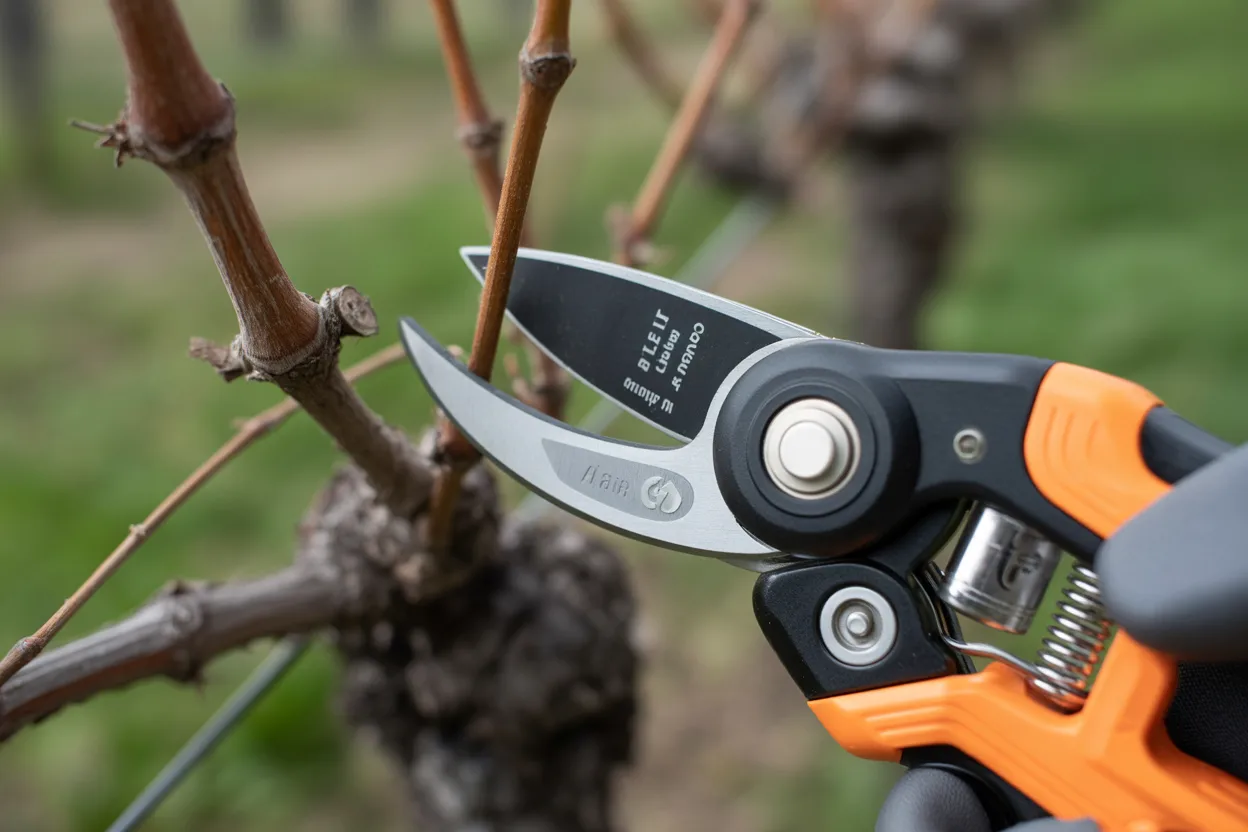
Garden shears are large tools for trimming hedges or shaping shrubs, while pruning shears are small hand tools made for cutting individual stems or branches. Garden shears cover wide areas; pruning shears offer control and precision.
Once I switched to real pruning shears for my grapevines and fruit trees, everything changed—the cuts were cleaner, the plants recovered faster, and I stopped feeling like I was fighting with my own tools. Let’s break down the real differences and clear up the confusion that many gardeners (including me) have had.
Are pruning shears the same as garden scissors?
When I first started gardening, I thought these two were interchangeable. They’re not.
Pruning shears are heavy-duty cutting tools designed for branches up to 20–30 mm, while garden scissors are lightweight and meant for soft stems, herbs, and flowers. Pruning shears have stronger blades and a spring mechanism for tougher cuts.
I used garden scissors2 for everything in the beginning. They worked fine for herbs and flowers, but once I tried to cut woody stems, I nearly bent the blades. Pruning shears feel different in your hand: sturdy, springy, and ready to bite into thicker growth.
Here’s a simple comparison to keep it clear:
| Tool Type | What It’s For | Cutting Power | Typical Thickness |
|---|---|---|---|
| Garden Scissors | Herbs, flowers | Low | 1–5 mm |
| Pruning Shears | Branches, vines | High | 5–30 mm |
Pruning shears also protect the plant by making cleaner cuts, which helps prevent disease. If you’re working with anything woody—roses, grapevines, fruit trees—you’ll want real pruning shears. Learn more about blade strength3 here.
Can I use regular scissors to prune plants?
Short answer: only for very soft plants—and even then, not ideal.
Regular scissors are not designed for pruning because they cannot cut woody or thick stems. They may crush or tear the plant, which slows healing and increases the risk of disease. Scissors work only for very thin, soft growth.
There was a time when I thought, “Why spend money on tools? Scissors will do.” Then I tried trimming my grapevines with them. The stems tore instead of cutting cleanly. The plant looked like it had been chewed on.
Scissors are great for things like:
- harvesting herbs
- shaping small houseplants
- trimming indoor flowers
But once you step outdoors—especially into shrubs, vines, or branches—they’re simply outmatched.
Why scissors struggle
- They don’t have the leverage needed for thick stems.
- Their blades pinch instead of slicing.
- They dull fast on outdoor plants.
If you’re serious about plant health, scissors just aren’t reliable. More on proper cutting techniques is covered here.
What to use if you don't have pruning shears?
I’ve been stuck in this situation too—out in the garden, mid-project, and suddenly realizing my pruning shears were nowhere to be found.
If you don’t have pruning shears, you can use garden scissors for soft stems, loppers for thicker branches, or even a small saw for woody growth. Choose the tool based on the thickness of the plant material.
Here’s what I’ve used in a pinch:
- Garden Scissors: Only for very thin stems.
- Loppers: Good for thicker branches over 20 mm.
- Folding Saw: Great when branches are too thick for shears.
- Utility Knife: Works for tiny trimming but requires caution.
Tool guide by thickness
| Stem/Branch Size | Recommended Tool |
|---|---|
| 1–5 mm | Garden scissors |
| 5–20 mm | Pruning shears |
| 20–40 mm | Loppers |
| 40 mm+ | Pruning saw |
I once pruned an entire grapevine row using just a folding saw and loppers because my shears broke halfway through. It wasn’t elegant, but it worked. The key is choosing a tool that avoids crushing the plant. Clean cuts matter more than the tool you use.
For emergency pruning kits, check ideas here.
Conclusion
Garden shears are for shaping. Pruning shears are for precision. Once you know the difference, your cuts get cleaner, your plants recover faster, and gardening becomes a whole lot easier—and much more enjoyable.